
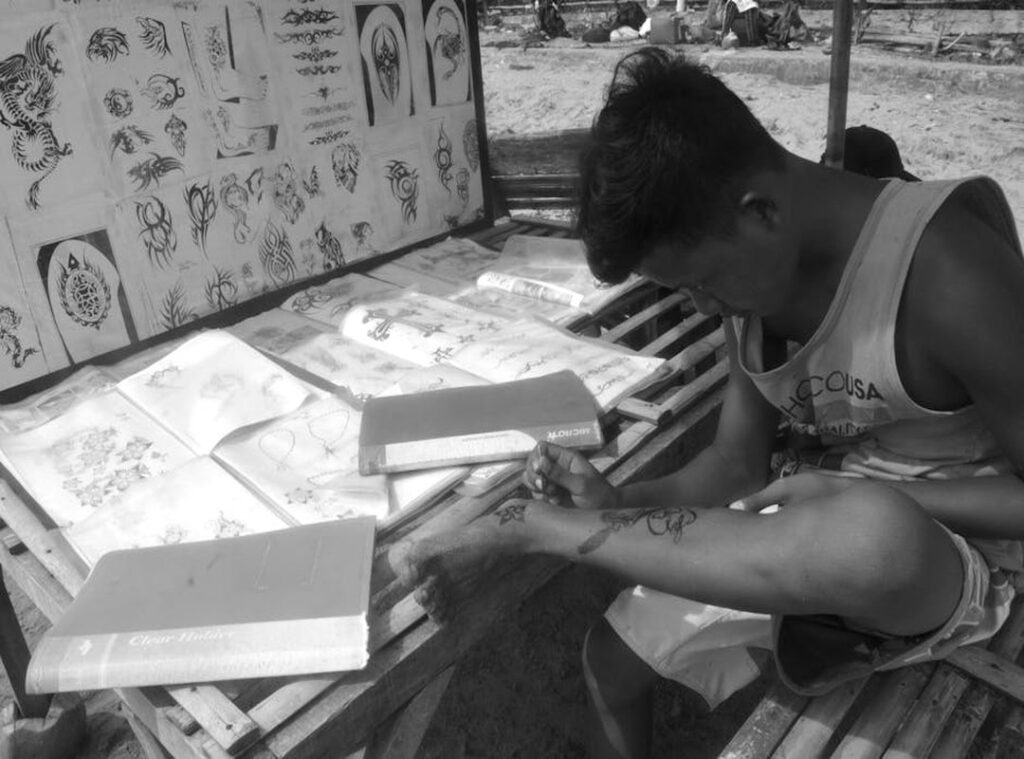
Tattoos are everywhere these days. You see them on celebrities, athletes, and even your next-door neighbor. But let’s be real, most of them look the same.
You want something unique, something that means more than just a pretty design. I get it.
But where do you start? How do you find a tattoo that’s not just a trend but a piece of art with real depth?
That’s where cultural tattoo traditions come in. They offer a world of inspiration. These designs aren’t just about looking good; they’re about telling a story.
And that’s what makes a tattoo truly special. It’s not just ink on skin; it’s a part of who you are.
We’ll explore some of these powerful traditions, from Bulag Pipi at Bingi to Polynesian and beyond. Each one has its own history and meaning.
Understanding the cultural context is key. It helps you find a design that resonates with you.
But here’s the catch: you need to do it right. You don’t want to accidentally appropriate someone else’s culture.
So, how do you do it? By connecting with the right artist. Someone who not only has the skills but also respects the source material.
This journey will help you find a tattoo that’s not just beautiful but meaningful. Let’s dive in.
The Intricate Knots and Spirals of Celtic Art
Celtic tattoos are all about intricate, interwoven knotwork with no beginning or end. This symbolizes eternity and interconnectedness.
The Trinity Knot (Triquetra) is a popular design, representing the three-fold nature of life—past, present, and future. Another iconic symbol is the Tree of Life (Crann Bethadh), which connects the earthly and spiritual worlds.
Stylized animals from Celtic mythology add another layer of meaning. For example, the stag symbolizes virility, while the salmon represents wisdom. These can be integrated into knot designs for a unique touch.
If you’re thinking about getting a Celtic tattoo, here are some design ideas:
– A Celtic knot armband
– A Triskele on the wrist
– A stylized animal on the shoulder blade
Bulag pipi at bingi tattoo design can also be a creative and meaningful choice, blending traditional elements with personal significance.
To do justice to these ancient patterns, seek out artists who specialize in precise, single-needle or fine-line work. They can capture the complexity and beauty of Celtic art.
Remember, the key is to find a design that resonates with you and an artist who can bring it to life.
Bold Lines and Ancient Stories: Polynesian and Maori Ta Moko
Polynesian tattoos are a sight to behold. Bold, black geometric patterns that flow with the body’s natural contours. They’re not just pretty; they’re powerful.
But here’s where it gets interesting. Not all Polynesian tattoos are the same. There’s a big difference between general Polynesian tribal styles and the sacred practice of Maori Ta Moko.
Ta Moko is more than just a tattoo. It’s a visual representation of the wearer’s genealogy and identity.
Common motifs in these designs carry deep meanings. Spearheads symbolize courage. Shark teeth stand for protection and strength.
Ocean waves represent life, change, and continuity. Each element tells a story.
One unique design you might come across is the bulag pipi at bingi tattoo. It’s a specific pattern that carries its own cultural significance. But remember, these designs are deeply personal and sacred.
If you’re considering getting a Polynesian or Maori tattoo, it’s crucial to approach it with respect. Don’t copy specific Ta Moko. Instead, work with artists of Polynesian heritage who can create a custom piece that honors the tradition.
These designs are not just patterns. They’re a deeply personal language. When approached with reverence, they become one of the most meaningful tattoo choices.
When it comes to placement, honor the style’s tradition. The shoulder, chest, and legs are great spots. These areas allow the patterns to wrap around the muscles, enhancing the design’s natural flow.
In short, Polynesian and Maori tattoos are more than skin deep. They’re a way to connect with a rich cultural heritage. Just make sure you do it right.
Vibrant Deities and Sacred Geometry: Southeast Asian Influences
When you think of sacred tattoos, Thailand’s Sak Yant might come to mind. These are not just any designs; they’re sacred geometric patterns and mantras believed to bring protection, power, and good fortune.
The application process is a ritual in itself. Traditionally, a monk or master uses a bamboo rod to apply the tattoo. Then, a spiritual ‘activation’ through a blessing seals the deal.
It’s like getting a magical ink job.
But Thailand isn’t the only place with fascinating tattoo traditions. Bali has its own vibrant and detailed depictions of gods, goddesses, and demons from Balinese Hinduism. Think of Garuda or Barong—these are like the superheroes and villains of the spiritual world.
Visually, there’s a stark contrast between the monochromatic, geometric Sak Yant and the colorful, narrative-driven Balinese style. It’s like comparing a minimalist black-and-white sketch to a full-color comic book.
And let’s not forget the bulag pipi at bingi tattoo design. It’s another example of how these designs can be both visually striking and spiritually significant.
Here’s a crucial note: these designs are sacred, not just decorative. If you’re thinking about getting one, make sure you understand the spiritual weight and rules associated with them. Placement on the body matters, and so does the intention behind it.
Respect the tradition. Don’t just pick a design because it looks cool. (Though, let’s be real, they do look pretty awesome.)
If you’re into high-stakes betting, check out Highblastbets for some thrilling action. But remember, always bet responsibly!
From Ancient Runes to Mythical Creatures: Norse and Viking Symbolism
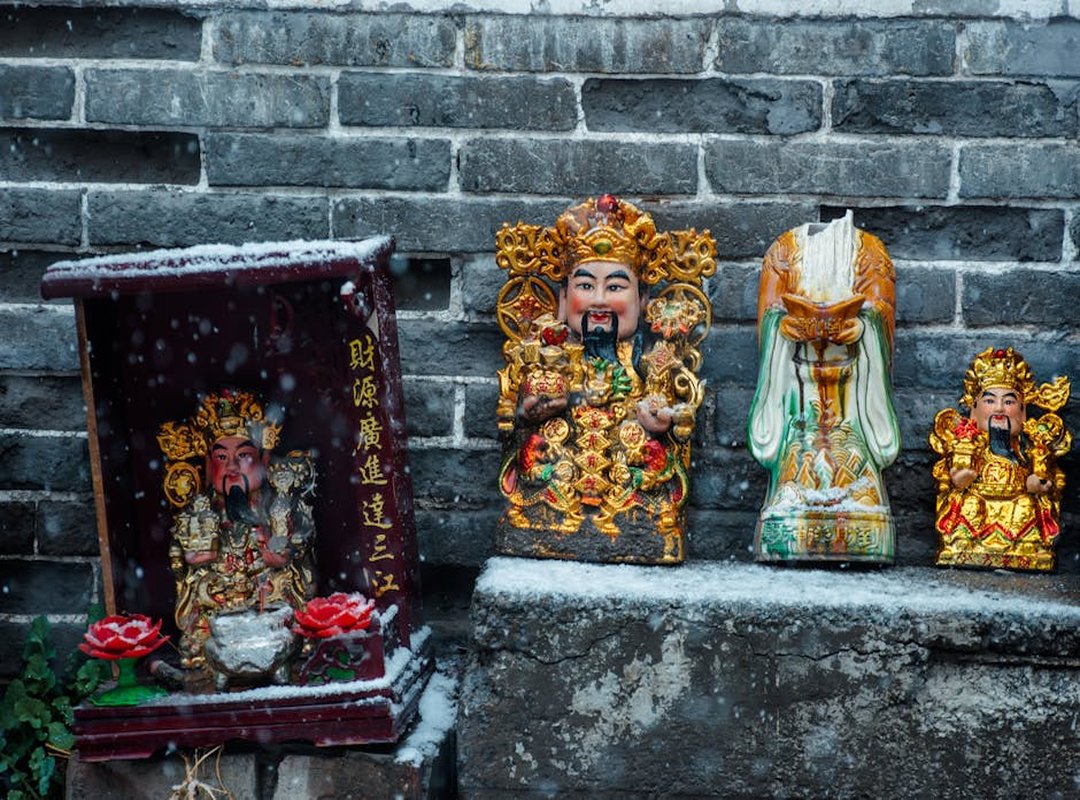
Norse and Viking-inspired tattoos have a raw, powerful aesthetic. They often feature stark black ink and strong, angular lines.
- Valknut: This symbol, associated with Odin and sacrifice, is a popular choice.
- Aegishjalmur (Helm of Awe): It’s used for protection in battle.
- Vegvisir (Runic Compass): This symbol offers guidance and direction.
Runes, the ancient Norse alphabet, are more than just letters. They’re symbols imbued with magical and prophetic meaning. This allows for personalized and secretive messages.
Design concepts can be compelling. Think of a Viking longship sailing down the forearm. Or the world serpent Jörmungandr wrapping around a limb.
A stylized raven, representing Odin’s companions, is another great idea.
The style is versatile. It fits well for both large-scale back pieces and smaller, more discreet symbolic tattoos.
Bulag pipi at bingi tattoo design is a unique and creative way to blend traditional elements with personal flair.
Looking ahead, I predict that these designs will continue to gain popularity. More people are drawn to the deep, historical roots and the bold, striking visuals.
But here’s the thing. As more people get these tattoos, there’s a risk of overexposure. The key is to find a skilled artist who can bring a fresh twist to these classic symbols.
So, if you’re considering a Norse or Viking-inspired tattoo, go for it. Just make sure it’s something that resonates with you.
Choosing Your Story: How to Wear Cultural Art with Respect
A tattoo can transcend decoration and become a profound connection to a story, heritage, or belief system. The key to a successful and meaningful cultural tattoo lies in two things: deep research and genuine respect for the source culture.
You have been shown several paths to finding a unique design, from Celtic knots to Norse runes, each with its own rich history. Before booking an appointment, spend time in libraries or online archives learning the story behind your chosen symbol, and then find an artist who shares your passion for its meaning.
Turn your skin into a canvas for a story that truly matters, worn with pride and understanding. Consider bulag pipi at bingi tattoo design if it resonates with your personal journey and values.